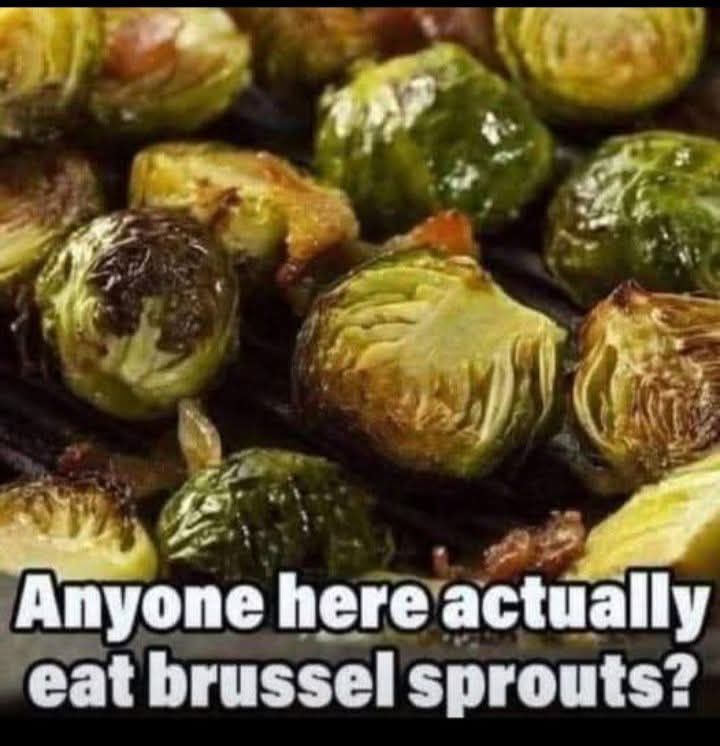
Brussels sprouts are small, leafy green vegetables that look like miniature cabbages. They grow in tight clusters along a thick stalk and are part of the Brassicaceae, which also includes broccoli, cabbage, kale, and cauliflower.
🌱 Botanical & Origin Details
- Scientific name: Brassica oleracea var. gemmifera
- Native to the Mediterranean region but widely cultivated in Europe
- Named after the city of Brussels, where they became especially popular in the 16th century
- Cool-season crop: best grown in temperatures between 7–24°C
They grow vertically on stalks that can reach 60–120 cm tall, with sprouts forming in the leaf axils (where leaves meet the stem).
🧪 Nutritional Profile (per ~100g cooked)
Brussels sprouts are extremely nutrient-dense:
- Calories: ~43
- Protein: ~3.4 g
- Fiber: ~3.8 g
- Vitamin C: ~85 mg (very high)
- Vitamin K: ~177 µg (very high)
- Folate (B9): moderate
- Rich in antioxidants like kaempferol
Health benefits
- Supports immune function (high vitamin C)
- Aids blood clotting and bone health (vitamin K)
- Promotes gut health (fiber)
- Contains compounds studied for cancer prevention (glucosinolates)
🍽️ Taste & Texture
- Raw: bitter, slightly cabbage-like
- Cooked properly: nutty, slightly sweet
- Overcooking → strong sulfur smell and mushy texture (common reason people dislike them)
🍳 Cooking Methods
Brussels sprouts can be prepared in many ways:
1. Roasting (most popular)
- Halve sprouts, toss with olive oil, salt, pepper
- Roast at 200°C for ~20–30 min
- Produces crispy outer leaves and caramelized flavor
2. Sautéing
- Slice thinly and cook in a pan with garlic or butter
- Quick and preserves texture
3. Steaming
- Healthier but milder flavor
- Avoid over-steaming (5–7 minutes max)
4. Air frying
- Similar to roasting but faster and crispier
Flavor pairings
- Garlic, lemon, balsamic vinegar
- Bacon, parmesan cheese
- Nuts (walnuts, almonds)
- Honey or maple syrup for sweetness
⚠️ Common Issues
- Bitterness: reduced by modern varieties and proper cooking
- Gas/bloating: due to fiber and sulfur compounds
- Smell: caused by overcooking (sulfur release)
🌍 Culinary Uses Around the World
- Europe: roasted with meats or butter
- USA: trendy side dish with bacon or glaze
- Asia: stir-fried adaptations in fusion cuisine
🌿 Growing at Home (Basics)
- Requires fertile, well-drained soil
- Needs consistent watering
- Takes ~80–100 days to mature
- Flavor improves after light frost
🧠 Fun Facts
- Brussels sprouts are actually buds, not leaves
- A single stalk can produce 20–100 sprouts
- They’re genetically the same species as cabbage and broccoli, just bred differently
If you want, I can give you recipes, compare them to broccoli, or explain why some people genetically find them more bitter.