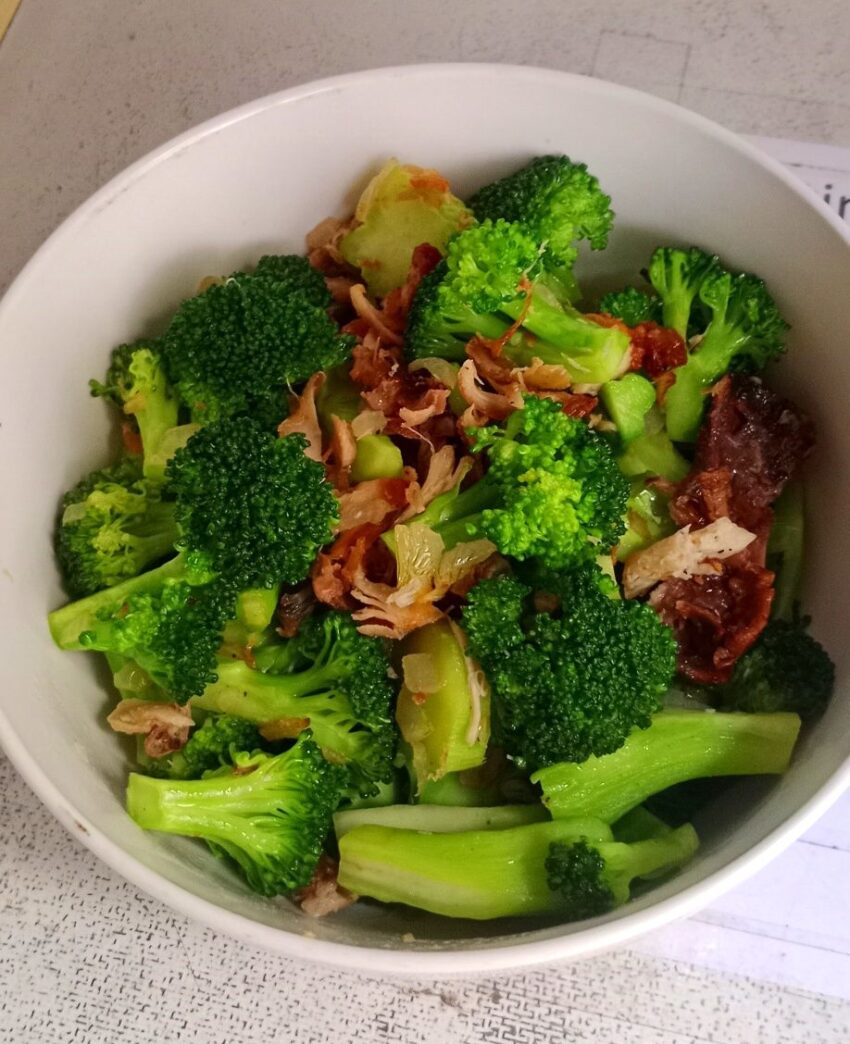
🥦 Broccoli — Nutrition, Benefits, and How to Eat It
Broccoli is a nutrient-dense green vegetable from the cruciferous family. It’s widely considered one of the healthiest foods because it provides many vitamins, minerals, fiber, and plant compounds that support overall health.
🧾 Nutritional Value (per ~100 g raw broccoli)
- Calories: ~34 kcal
- Protein: ~2.8 g
- Fiber: ~2.6 g
- Vitamin C: ~89 mg (very high)
- Vitamin K: ~102 mcg
- Folate (Vitamin B9): ~63 mcg
- Potassium: ~316 mg
It also contains antioxidants such as Sulforaphane.
💚 Major Health Benefits
1. Supports Immune System
High Vitamin C helps the body fight infections and strengthens immunity.
2. May Help Prevent Cancer
Broccoli contains compounds like sulforaphane that may help protect cells from damage and reduce cancer risk.
3. Good for Heart Health
The fiber and antioxidants may help reduce cholesterol and support healthy blood vessels.
4. Improves Digestion
Dietary fiber supports gut health and regular digestion.
5. Supports Bone Health
Rich in Vitamin K and calcium, which help maintain strong bones.
6. Helps Weight Management
Low calories but high fiber, making it filling and helpful for weight control.
🧠 Additional Benefits
- Supports brain health
- Helps control blood sugar
- Anti-inflammatory properties
- Good for skin and eye health
🍽️ Healthy Ways to Eat Broccoli
- Steamed (best way to keep nutrients)
- Stir-fried with garlic and olive oil
- Raw in salads
- Roasted with spices
- Added to soups, omelets, or pasta
⚠️ Possible Side Effects
- May cause gas or bloating in some people.
- People taking blood-thinning medicine should monitor high Vitamin K intake.
✅ Tip: Lightly steaming broccoli for 3–5 minutes keeps most nutrients while improving taste and digestion.
If you want, I can also explain:
- Top 10 healthiest vegetables in the world 🥬
- Best way to cook broccoli without losing nutrients
- Broccoli vs spinach nutrition comparison 🥦🥬