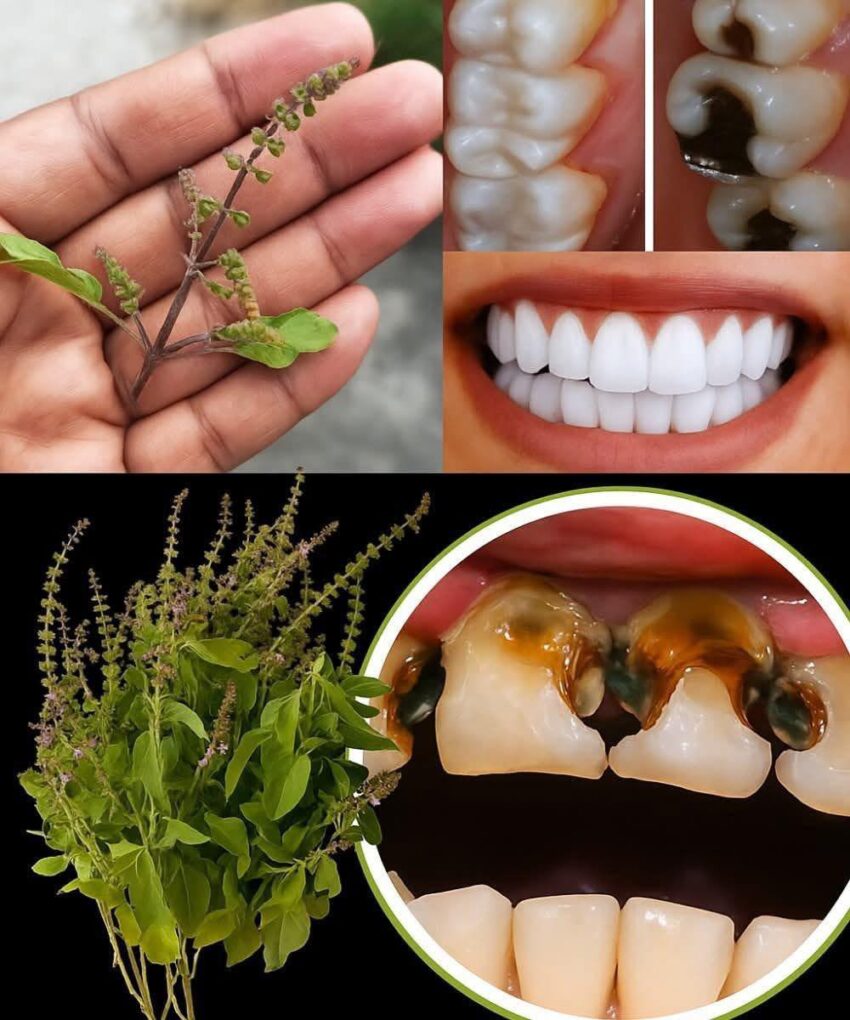
🌿 Holy Basil (Tulsi) for Oral Health
Tulsi has been used for centuries in traditional Ayurvedic practices, especially in Ayurveda, for supporting overall and oral health. Modern research suggests it may offer several benefits for the mouth thanks to its antimicrobial, anti-inflammatory, and antioxidant properties.
🦷 How Tulsi May Support Oral Health
1️⃣ Helps Fight Cavity-Causing Bacteria
Tulsi contains compounds like eugenol and ursolic acid that may help reduce harmful oral bacteria (including those linked to plaque and cavities). While it’s not a replacement for fluoride, it may complement good dental hygiene.
2️⃣ Supports Gum Health
Its anti-inflammatory properties may help calm swollen, irritated gums and reduce early signs of gingivitis.
3️⃣ Freshens Breath Naturally
By helping reduce odor-causing bacteria, tulsi may improve bad breath (halitosis).
4️⃣ Antioxidant Protection
Tulsi’s antioxidants may help protect oral tissues from oxidative stress.
🧴 Ways to Use Tulsi for Oral Care
🌿 Tulsi Powder Tooth Brushing
- Dry fresh tulsi leaves in shade.
- Grind into a fine powder.
- Mix with regular toothpaste or use a small pinch to brush gently.
🌿 Tulsi Mouth Rinse
- Boil 10–15 leaves in 1 cup of water.
- Cool and strain.
- Use as a natural mouth rinse once daily.
🌿 Tulsi + Mustard Oil Gum Massage (Traditional Method)
- Mix tulsi powder with a few drops of mustard oil.
- Gently massage onto gums for 1–2 minutes, then rinse.
⚠️ Important Notes
- Tulsi is supportive, not a substitute for brushing with fluoride toothpaste, flossing, or professional dental care.
- If you have active gum disease, tooth pain, or cavities, see a dentist.
- Avoid swallowing large amounts of concentrated herbal preparations.
- If pregnant, breastfeeding, or on medication, consult a healthcare provider before regular medicinal use.
If you’d like, I can also share:
- A DIY herbal tooth powder recipe
- Scientific research summaries on tulsi and oral bacteria
- Or other natural remedies that support dental health alongside regular care 🦷