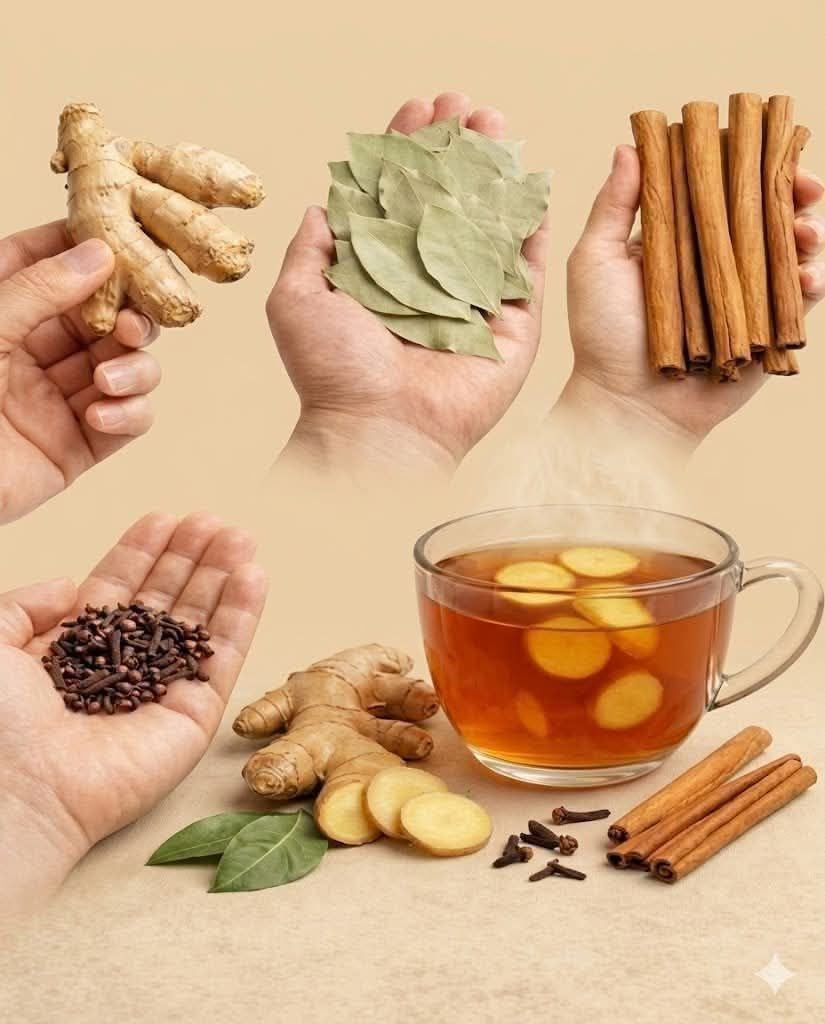
That headline is another example of a viral “miracle health story” format, not a verified medical claim.
There is no specific “morning tea” recipe proven to change someone’s health in a dramatic, universal way, and certainly not in the exaggerated “changed a grandmother’s life” marketing sense. These stories are usually used to promote herbal mixtures or supplements.
🍵 What these “morning tea” claims usually refer to
They often promote simple herbal drinks like:
- Ginger tea
- Green tea
- Lemon water
- Cinnamon tea
- Turmeric (“golden”) milk
🧪 What science actually says
Some of these ingredients have mild, real benefits:
- green tea → antioxidants, may support heart health
- ginger → may help nausea and digestion
- turmeric → anti-inflammatory properties (curcumin)
- Lemon water → hydration support, small vitamin C boost
👉 But none of these are “life-changing cures” for diseases.
🚫 What they do NOT do
These teas cannot:
- Cure chronic diseases
- Replace medication
- Reverse serious conditions on their own
- Provide guaranteed “detox” or healing effects
🧠 Why these stories go viral
They use:
- Emotional language (“grandmother healed”)
- Natural ingredient appeal
- Selective anecdotes instead of clinical trials
This makes them sound powerful, even when evidence is weak or missing.
✔️ The real takeaway
Morning herbal teas can be:
- A healthy habit
- A good replacement for sugary drinks
- Supportive for digestion and hydration
But they are not medical treatments or cures.
☕ A genuinely healthy “morning tea” idea
If you want a safe, simple option:
- Hot water
- Ginger slice
- Lemon juice
- Optional honey
👉 Good for hydration and gentle digestion support.
If you want, I can give you:
- A scientifically backed morning drink routine for energy, digestion, and immunity
- Or a breakdown of which “health drink myths” are most commonly shared online